Explore by theme
Explore Chinese Culture
Discover the stories, traditions, and heritage of China.
 Chinese MythologyDragons, legendary creatures, folklore and ancient beliefs.View articles →
 Chinese FestivalsSeasonal celebrations, family rituals and living traditions.View articles →
 Chinese SymbolismDragons, colors, auspicious ideas and the meanings behind cultural symbols.View articles →
 Architecture & HeritageHistoric cities, temples, buildings and cultural landscapes.View articles →
 Traditional ArtsPainting, calligraphy, opera, textiles and enduring crafts.View articles →
 Food & LifestyleCustoms, etiquette, clothing, food and everyday cultural life.View articles →
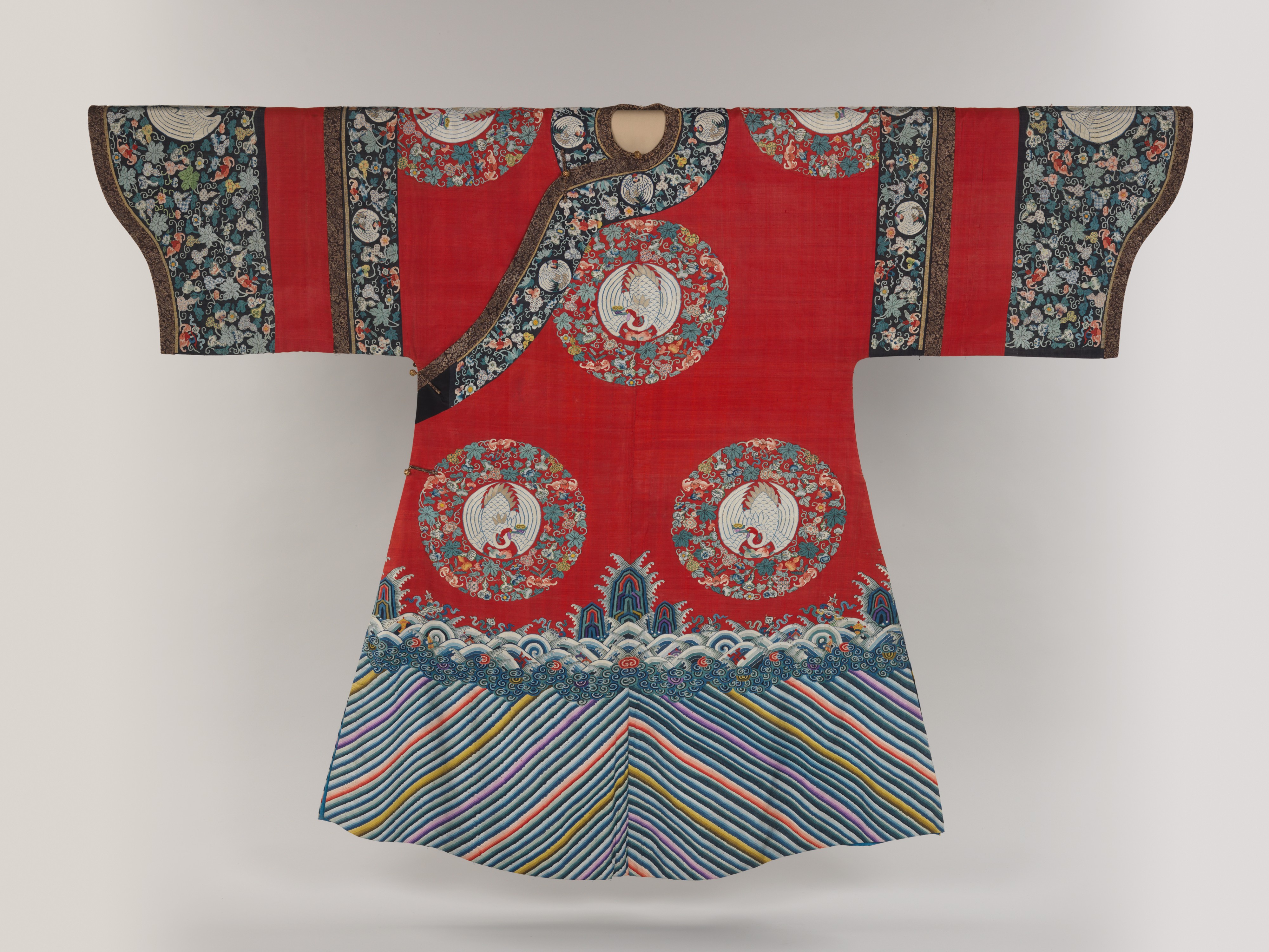
Why Is Red So Important in Chinese Culture?
![Why Is Red So Important in Chinese Culture?]()
Reviewed by
Heritage Explorer
on
October 26, 2026
Rating:
5
Mid-Autumn Festival: Mooncakes, Reunion and Moon Traditions
![Mid-Autumn Festival: Mooncakes, Reunion and Moon Traditions]()
Reviewed by
Heritage Explorer
on
October 22, 2026
Rating:
5
Dragon Boat Festival: Qu Yuan, Zongzi and Racing Traditions
![Dragon Boat Festival: Qu Yuan, Zongzi and Racing Traditions]()
Reviewed by
Heritage Explorer
on
October 20, 2026
Rating:
5
Lantern Festival in China: History, Traditions and the Meaning of Lanterns
![Lantern Festival in China: History, Traditions and the Meaning of Lanterns]()
Reviewed by
Heritage Explorer
on
October 19, 2026
Rating:
5
Sun Wukong: The Monkey King in Chinese Mythology and Journey to the West
![Sun Wukong: The Monkey King in Chinese Mythology and Journey to the West]()
Reviewed by
Heritage Explorer
on
October 18, 2026
Rating:
5
Chang’e and the Moon: The Legend Behind China’s Moon Goddess
![Chang’e and the Moon: The Legend Behind China’s Moon Goddess]()
Reviewed by
Heritage Explorer
on
October 17, 2026
Rating:
5